

Cuba on Record: The Book

About the Book
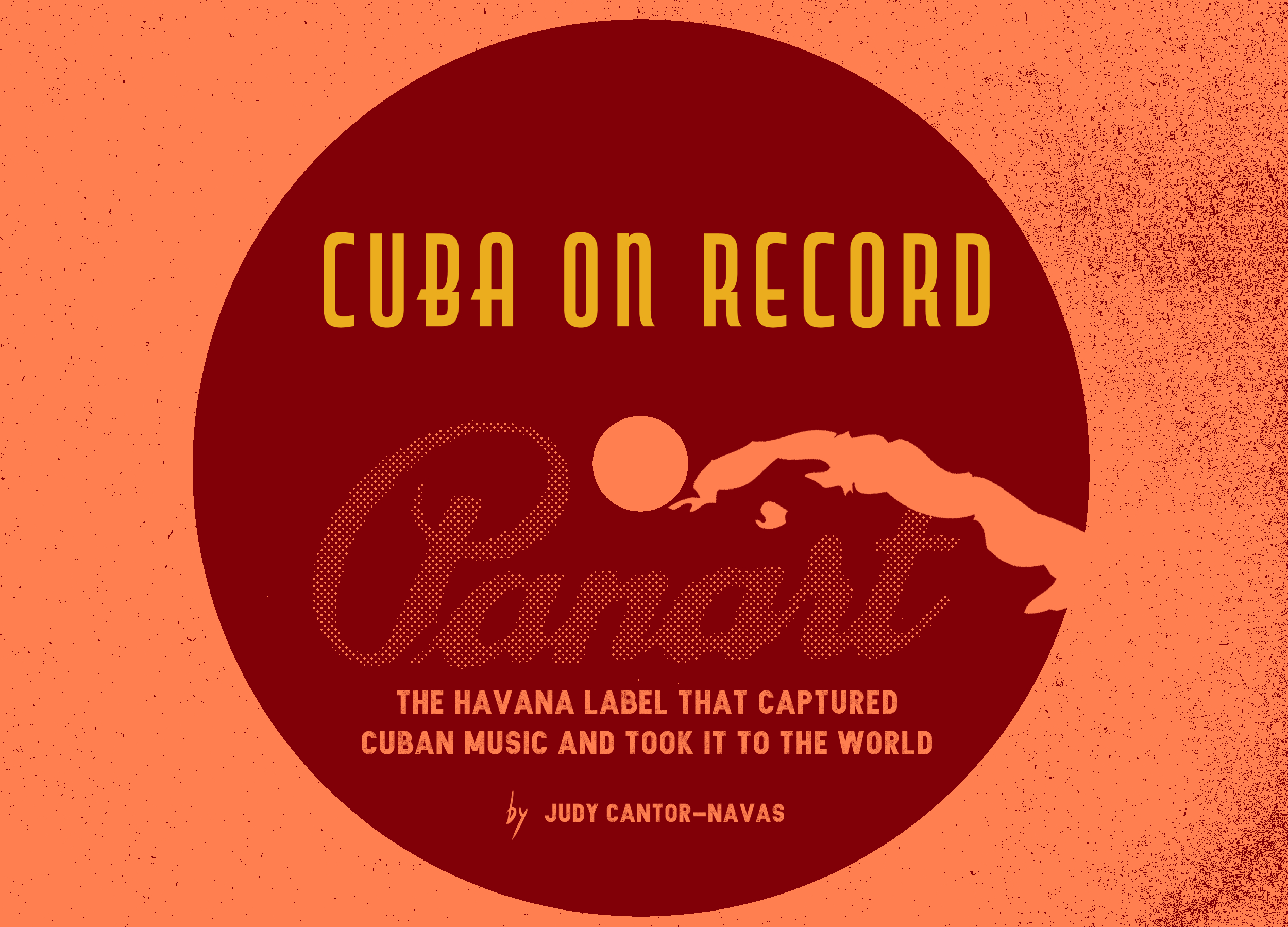
Panart Records, the first and forgotten Cuban record label, captured a euphoric era in entertainment and brought Cuban music to the world. In 1943, Panart’s cigar-wielding founder Ramón Sabat converted an old Havana mansion into a recording studio, setting the scene for the creation of pioneering sides including the Afro-Cuban chants that were Celia Cruz’s surprising first singles, the first cha-cha-chá, Mambo King Perez Prado’s early dance numbers, Buena Vista Social Club singer Compay Segundo’s solo debut, and Nat King Cole’s first Spanish-language album.
Sabat was a visionary entrepreneur and innovative engineer, a society geek who wore a tuxedo as casually as pajamas, but whose nightcap of choice was Coca-Cola. His journey from the Cuban countryside to New York City and back again would parallel the development of recorded music, and coincide with two World Wars and a Revolution. On his way, he would encounter American pioneers Bill “Bojangles” Robinson and Leadbelly, rumba superstar Xavier Cugat, and an assortment of underworld characters, and would go on to work with the most important Cuban musicians of the first half of the Twentieth Century.
Sabat’s seemingly impossible dream to record every kind of Cuban music paid off by the 1950s, when Panart was annually selling over a million records, pressed in its own record factory, the island’s first, and played on Havana’s 10,000 jukeboxes. The label captured Cuban music’s golden age, whose innovative rhythms were the soundtrack to post-war glamour and political turmoil, when new tourist-packed planes and aggressive U.S. businesses collided with mafia-run casinos and rebel bombs. Then, one morning in 1961, Panart disappeared.
While the label’s sudden fate was sealed, the recording studio would live on to produce thousands more albums as the production headquarters for Cuba’s State-owned record label, and it would become an international recording destination after Ry Cooder produced the Buena Vista Social Club album there. Most of the musicians who recorded in what BBC Radio DJ Gilles Peterson dubbed “the cathedral of Cuban music” had no inkling of the studio’s history or the Panart story.
Grammy-nominated writer Judy Cantor-Navas, who has researched the story of Ramón Sabat and Panart for the last three decades, narrates the spectacular rise and sudden fall of the label and its aftermath through extensive interviews with Cuba’s greatest musicians and members of the Sabat family and her unprecedented archival investigation.
Cuba on Record’s dramatic narrative, together with extensive playlists and rare photos and videos, restores Panart’s deserved place alongside legendary labels like Chess, Motown and Fania, revealing the origin stories of classic songs and tracing Panart’s influence on the Latin music of today.